AboutBiodynamicCraniosacralTherapy
Listen to the stillness within

What is BCST?
Biodynamic Craniosacral Therapy is a subtle and profound healing form that works with the body's inherent life forces to promote health and wellbeing. The practitioner uses a quality of touch that is gentle, non-invasive, and deeply respectful of the body's own intelligence.
At its core, BCST recognises that health is never lost. Even in the midst of pain, trauma, or illness, there is an ordering principle at work — a living intelligence that continually orients towards balance and wholeness. The practitioner's role is to create the conditions in which this inherent health can express itself more fully.
Sessions are deeply relaxing and can support a wide range of conditions. Many people report feeling a profound sense of calm, clarity, and integration after treatment.
Meet Marlo
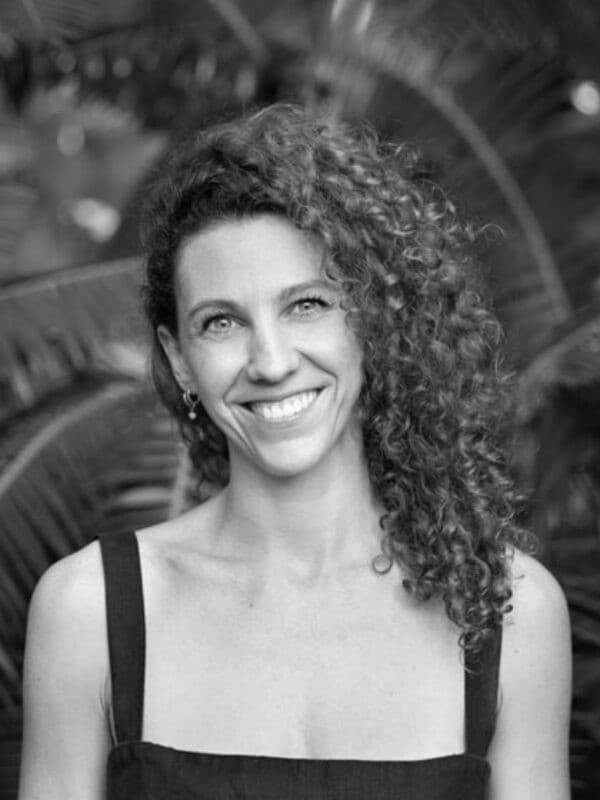
With a deep commitment to this gentle, profound work, Marlo brings a quality of presence, stillness, and skilled perception to every session. Each client is met with care, respect, and an unwavering trust in the body's inherent wisdom. Drawing on a background in dance and years of somatic practice, Marlo brings an embodied understanding of the body and the nervous system that deepens and enriches this work.
Philosophy
We believe the body holds a deep intelligence — one that is always orienting towards health. Our role is simply to listen, to create the conditions for this natural healing to unfold. In the space between practitioner and client, something profound can emerge: a return to balance, a settling into wholeness, a remembering of what the body already knows.
Origins & Evolution
The roots of craniosacral therapy trace back to the early 1900s, when osteopath William Garner Sutherland discovered that the bones of the skull express a subtle, rhythmic motion. Over decades of careful observation, he came to understand this as an expression of a deeper life force — what he called the Breath of Life.
In the latter part of the 20th century, Franklyn Sills and others developed the biodynamic approach, integrating Sutherland's later insights with a broader understanding of embryology, fluid dynamics, and the relational field. This evolution moved the work from a biomechanical model to one rooted in stillness, presence, and the body's inherent treatment plan.
Core Principles
Space is fundamental to health and healing. When the body experiences restriction — whether through injury, stress, or trauma — tissues compress and vitality diminishes. In biodynamic craniosacral therapy, the practitioner supports the body in finding more space: space within the tissues, the fluids, and the nervous system. As space opens, the body can breathe more fully, reorganise, and return to a natural state of ease and flow.
A subtle rhythmic motion that arises from deep within the body, independent of breathing or heartbeat. It is the expression of the Breath of Life — an inherent ordering force that organises and maintains health throughout our lives.
The body holds an original blueprint of health — an organisational matrix established at conception and expressed through embryological development. BCST works with this blueprint, trusting that it is always present and always orienting towards wholeness.
At the heart of the work lies stillness — the ground from which all healing emerges. In stillness, the body finds its deepest resources for self-repair and integration.
The living force within the fluids of the body. Potency carries the Breath of Life into every cell, maintaining order and promoting healing.